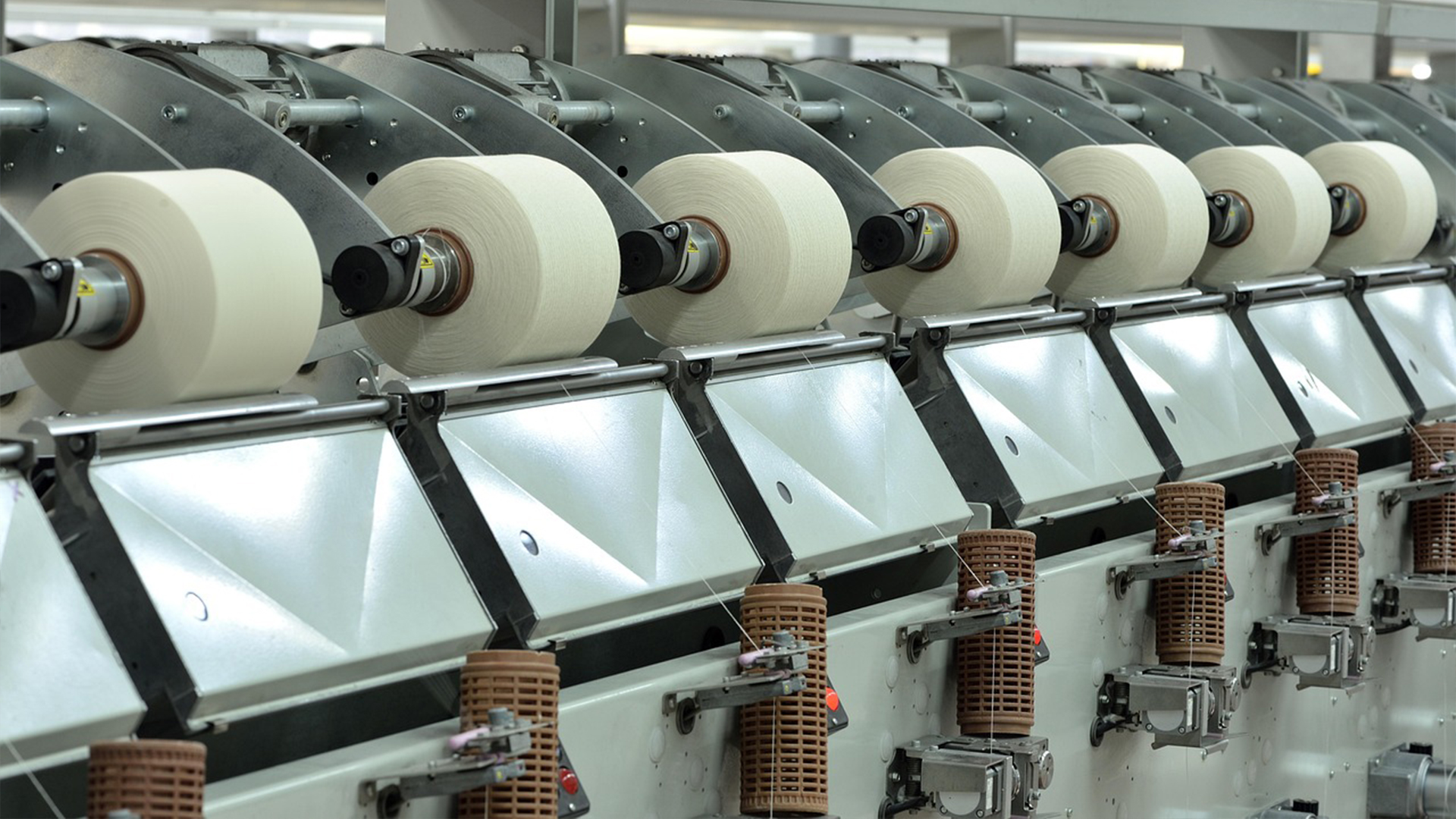
Smart Food Processing Equipment Is Transforming Production Efficiency in 2026
The global food manufacturing industry is undergoing a major transformation in 2026 as smart food processing equipment becomes an essential part of modern production facilities. Rising labor costs, stricter hygiene regulations, and increasing consumer demand for safe food products are pushing manufacturers to invest in intelligent machinery that can improve efficiency, reduce waste, and maintain product quality.
Traditional food processing systems often require significant manual operation, creating risks of inconsistency and contamination. New smart equipment integrates sensors, automation controls, and data analysis software to help food manufacturers achieve higher production standards while lowering operating costs.
One of the most important developments is the use of automated cutting, mixing, filling, and packaging systems. These machines can accurately monitor temperature, pressure, speed, and ingredient ratios in real time. If production conditions change, the equipment can automatically adjust settings to maintain consistency.
For example, modern baking equipment can monitor dough moisture and oven temperature continuously. Meat processing systems can detect fat content and adjust cutting patterns. Beverage filling machines can automatically control liquid volume with extreme precision.
Energy efficiency has also become a major purchasing factor. New food processing machinery is designed with variable-speed motors and optimized heat transfer systems that reduce electricity consumption. Some systems recover waste heat and reuse it in other production stages.
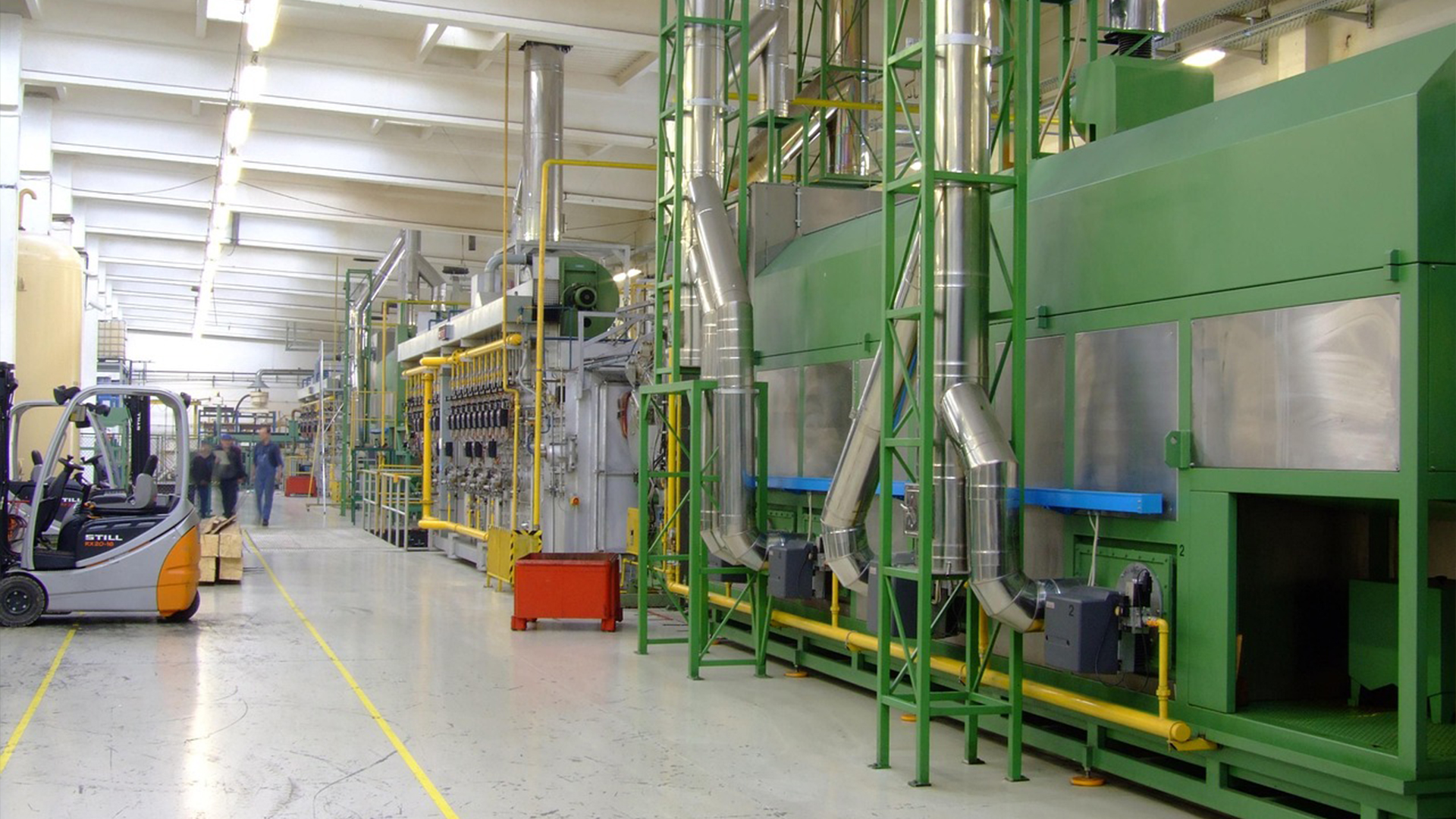
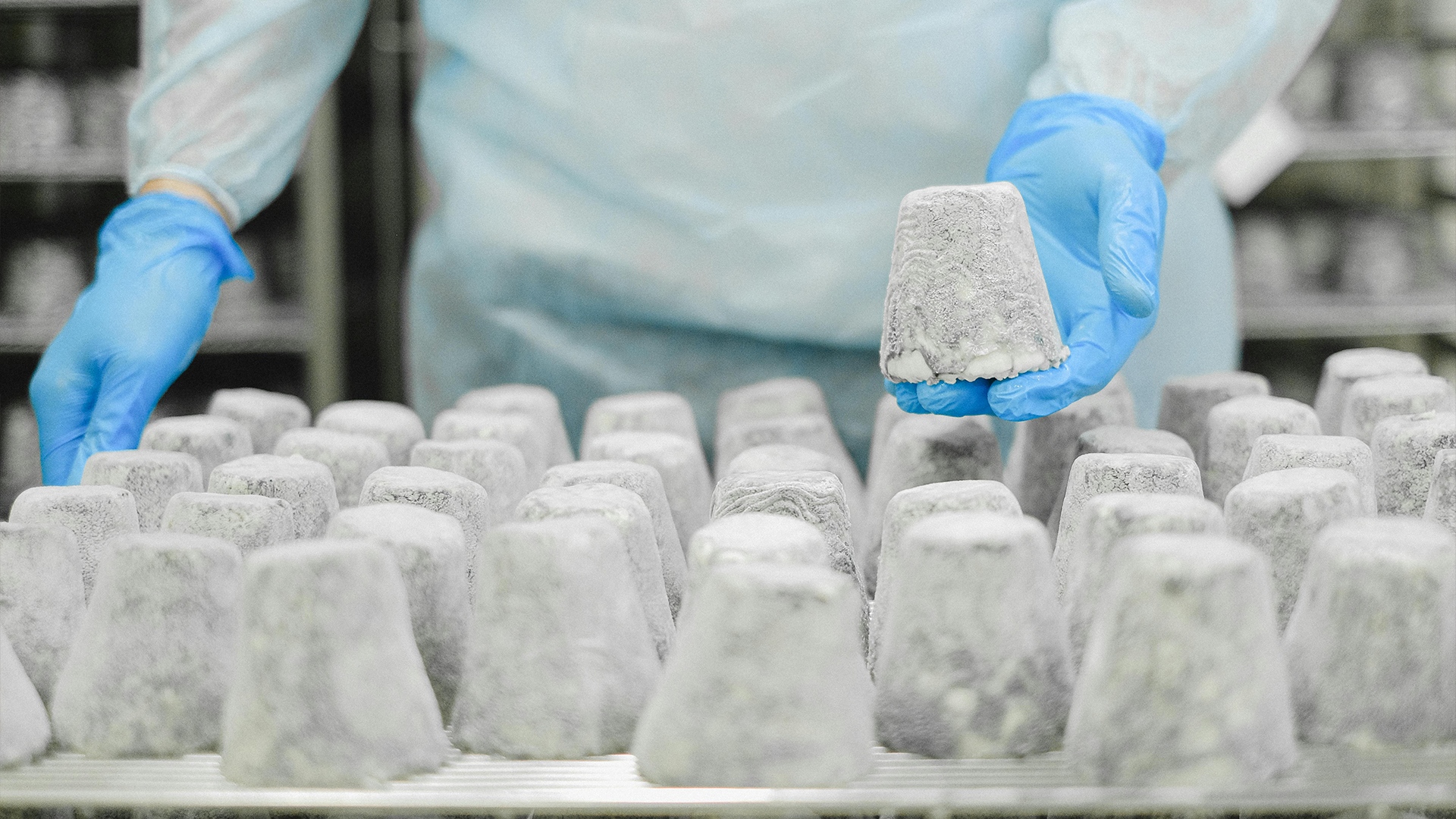
Hygiene remains a top priority. Stainless steel construction, clean-in-place systems, and touchless controls help manufacturers comply with international food safety standards. Automated cleaning systems reduce downtime and lower water consumption while improving sanitation.
Digital monitoring allows factory managers to access machine performance remotely. Cloud-based systems can track productivity, identify maintenance needs, and optimize production scheduling. This helps reduce unexpected downtime and improve output.
As consumer expectations continue rising, food manufacturers that invest in smart processing equipment can gain a competitive advantage through better efficiency, improved food safety, and reduced production costs.
SEO Keywords: smart food processing equipment, automated food machinery, food production equipment, industrial food processing machine, food packaging equipment, hygienic food machinery, intelligent food systems, commercial food equipment
- Air Pollution Control Equipment Becomes Essential for Industrial Sustainability
Industrial air pollution remains one of the most serious environmental challenges facing manufacturers worldwide. In 2026, stricter regulations and growing public awareness are driving increased demand for advanced air pollution control equipment across multiple industries.
Factories producing chemicals, metals, cement, and food products often generate particulate matter, volatile organic compounds, and harmful gases. Without proper treatment, these emissions can damage the environment and create health risks.
Modern air pollution control systems now include:
Dust collectors
Wet scrubbers
Activated carbon filters
Electrostatic precipitators
Catalytic oxidation systems
These technologies help capture pollutants before they are released into the atmosphere. Advanced filtration materials can remove even ultra-fine particles while maintaining low pressure loss for energy savings.
Smart monitoring systems are becoming standard. Sensors continuously measure emission levels and automatically adjust equipment performance. Operators can access data remotely and receive alerts when maintenance is required.
Food manufacturers are also adopting odor control systems to reduce smell emissions from processing plants. This improves community relations while meeting environmental requirements.
Energy efficiency is another major improvement. New systems use optimized fan designs and low-power motors to reduce operating costs. Some facilities integrate heat recovery systems that convert exhaust energy into usable power.
For manufacturers exporting to global markets, environmental compliance can influence customer trust. Many buyers now evaluate sustainability practices before selecting suppliers.
Air pollution control equipment is no longer viewed only as compliance machinery. It has become a strategic investment that improves environmental performance and long-term business reputation.
none
Reliable Automation Solutions for Modern Industry
Dezhou Hairen Automation Equipment Co., Ltd.